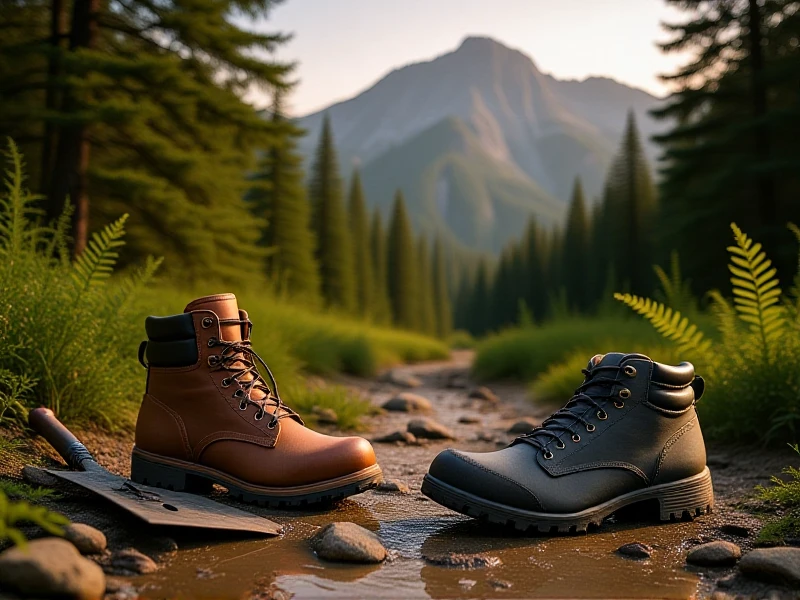
Finding Your Perfect Trail Companion: The Ultimate Guide to Hiking Shoes
Conquering breathtaking landscapes starts long before you reach the trailhead – it begins with choosing the right hiking shoes. Your feet are your foundation, facing uneven terrain, varying weather, and miles of adventure. Compromising on footwear risks discomfort, blisters, or worse, turning your wilderness escape into an ordeal. Understanding what makes great hiking shoes is crucial for every outdoor enthusiast, from casual weekend walkers to seasoned backcountry explorers.
What separates hiking shoes from regular sneakers? It's a synergy of specialized features designed for performance and protection:
- Tackling Terrain: Aggressive lug patterns on high-quality rubber outsoles provide crucial grip on slippery rocks, muddy paths, and loose gravel. Deep treads bite into the ground, preventing slips and enhancing confidence with every step.
- Enduring Support: Stability is non-negotiable. Look for midsoles offering cushioning that absorbs impact while maintaining responsiveness on long treks. Firm heel counters and torsional shanks work in tandem to handle uneven surfaces, preventing ankle rolls and providing overall support, minimizing fatigue even under a backpack load.
- Protection from the Elements: Rugged toe caps shield your feet from unforgiving rocks and roots. Waterproof membranes (like Gore-Tex) are essential for crossing streams, walking through morning dew, or hiking under rainy skies, keeping feet dry and comfortable. Breathable uppers balance this waterproofing, preventing overheating and sweaty feet.
- The Right Fit: Precision in sizing matters. Your foot should be secure – no heel slippage – with ample toe room (a thumbnail’s width ahead of your longest toe) to avoid painful jamming on descents. Consider socks and foot swell during long days.
Beyond basics, differentiate between hiking shoes and boots. Hiking shoes offer lighter weight and faster drying, ideal for day hikes, well-maintained trails, and warm weather. They provide ample support while allowing greater flexibility. Hiking boots extend above the ankle, delivering maximum stability, ankle support, and protection necessary for rugged terrain, heavy backpacks, multi-day trips, or unpredictable weather. Choose based on your intended terrain and load.
Finding Your Perfect Pair:
- The Fit Test: Always try hiking shoes on in the afternoon when feet are naturally slightly larger, wearing your intended hiking socks.
- Sole Searching: Match the outsole's lug aggressiveness and flexibility to your primary terrain. Rockier paths demand stiffer soles and deeper lugs; smoother trails allow for more flexible, lightweight designs.
- Waterproof Wonder: Opt for waterproof hiking shoes for cool climates, wet trails, or snow. Lightweight, non-waterproof (mesh) versions excel in heat and dry conditions, offering superior breathability.
- Weight Weighs In: Lighter hiking shoes reduce fatigue on long distances, making them popular for fastpacking and established trails.
What often surprises newcomers is how transformative the right hiking shoes feel. They translate energy efficiently, protect your feet without feeling stiff, and let you focus entirely on the journey's sights and sounds, not discomfort underfoot. Investing smartly in your hiking shoes is investing in safety, performance, and pure trail enjoyment.
Still seeking guidance? Our experienced staff understands the nuances of hiking shoes. Stop by or explore our curated selection online for expert recommendations tailored to your next adventure!