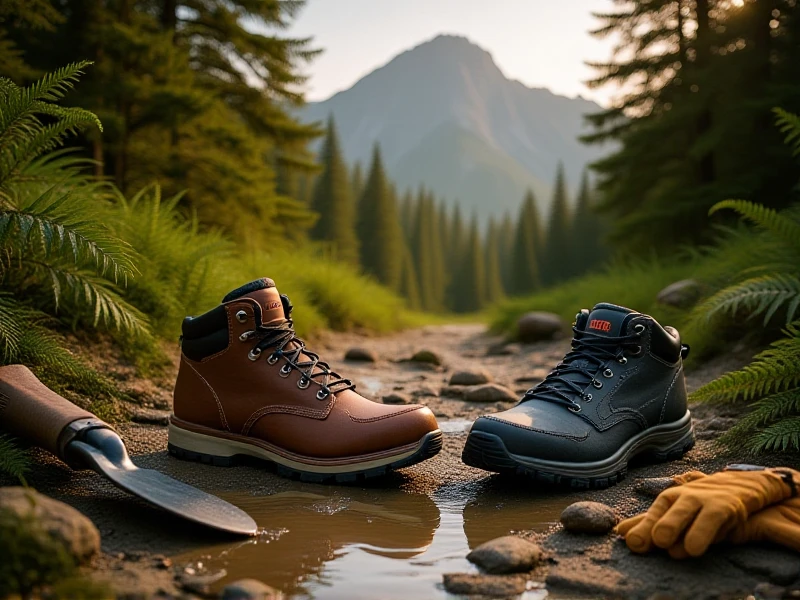
Work Boots: Essential Features for Maximum Safety and Comfort
Here is an SEO-optimized article focusing on "Work Boots":
Your job demands toughness, endurance, and reliability. Whether tackling construction sites, navigating warehouse floors, farming the land, or handling demanding outdoor trades, your feet endure the impact and hazards daily. That's why choosing the perfect pair of work boots isn't just about comfort – it's a critical safety decision. Investing in high-quality work boots ensures essential protection and support, keeping you productive and injury-free throughout your long shift.
Beyond Basic Footwear: Safety is Paramount
Modern work boots are engineered with specific risks in mind. Key safety features are non-negotiable:
- Safety Toe Caps: Steel (ST), Aluminum Alloy (AL), or Composite (C/75) toes shield your feet from crushing impacts and heavy falling objects. Select the type based on your specific job hazard requirements and weight restrictions.
- Puncture-Resistant Soles: Sharp nails, glass shards, and hidden debris are constant threats. Look for an internal midsole plate specifically rated to prevent punctures.
- Slip-Resistant Outsoles: Traction patterns and rubber compounds designed for oily, wet, or uneven surfaces drastically reduce the risk of slips and falls.
- Electrical Hazard Protection: Boots meeting ASTM standards (EH-rated) provide a secondary barrier against accidental contact with live circuits.
- Metatarsal Guards (Optional): For exceptionally high-risk environments, some work boots feature extended protection covering the metatarsal bones on the top of the foot.
Comfort: The Foundation for Long Hours
Safety features are vital, but if your boots aren't comfortable, you won't wear them properly. Comfort directly impacts focus and endurance during demanding 10-hour shifts. When selecting work boots, prioritize these comfort aspects:
- Superior Support & Stability: Look for excellent arch support and a firm heel counter to reduce strain and prevent ankle roll injuries.
- Quality Cushioning: Shock-absorbing insoles and midsoles cushion the foot and minimize fatigue, especially when walking or standing on hard concrete all day.
- Breathability & Moisture Management: Insulated boots are crucial for cold weather, but breathable linings (like mesh or moisture-wicking textiles) prevent excessive sweating and heat buildup in warmer conditions. Leather naturally offers good breathability.
- Appropriate Fit: Work boots should fit snugly (not tight) with ample toe room. Your toes should never feel cramped against the boot's front or sides. Remember thicker work socks! Prioritize trying boots on later in the day when feet are slightly swollen.
Choosing the Right Pair: Material Matters
- Leather: Full-grain leather remains the gold standard for durable work boots. It offers superior abrasion resistance, weather protection, and molds to the foot for lasting comfort. Nubuck and oiled leathers provide great water repellency.
- Synthetics: Modern synthetic materials offer lighter weight and faster break-in times, often at a lower cost point. Quality synthetics can be highly durable and supportive.
Never compromise on safety features mandated by your job. Choose work boots certified to meet relevant ASTM standards (like ASTM F2413). Break your new boots in gradually before tackling tough assignments full-time. By prioritizing essential safety technologies combined with genuine, lasting comfort, the right work boots become an indispensable partner, protecting your foundation so you can perform your best, shift after demanding shift. Invest wisely in your feet; they support your entire livelihood.